

Custom IoT applications
Give operators a clear view of device status, alerts, and controls through web and mobile applications designed around their daily tasks.
Turn device signals into a clearer view of your operations. AsonTech Solutions builds IoT applications, dashboards, and integrations that connect your equipment to the people and processes that depend on it.
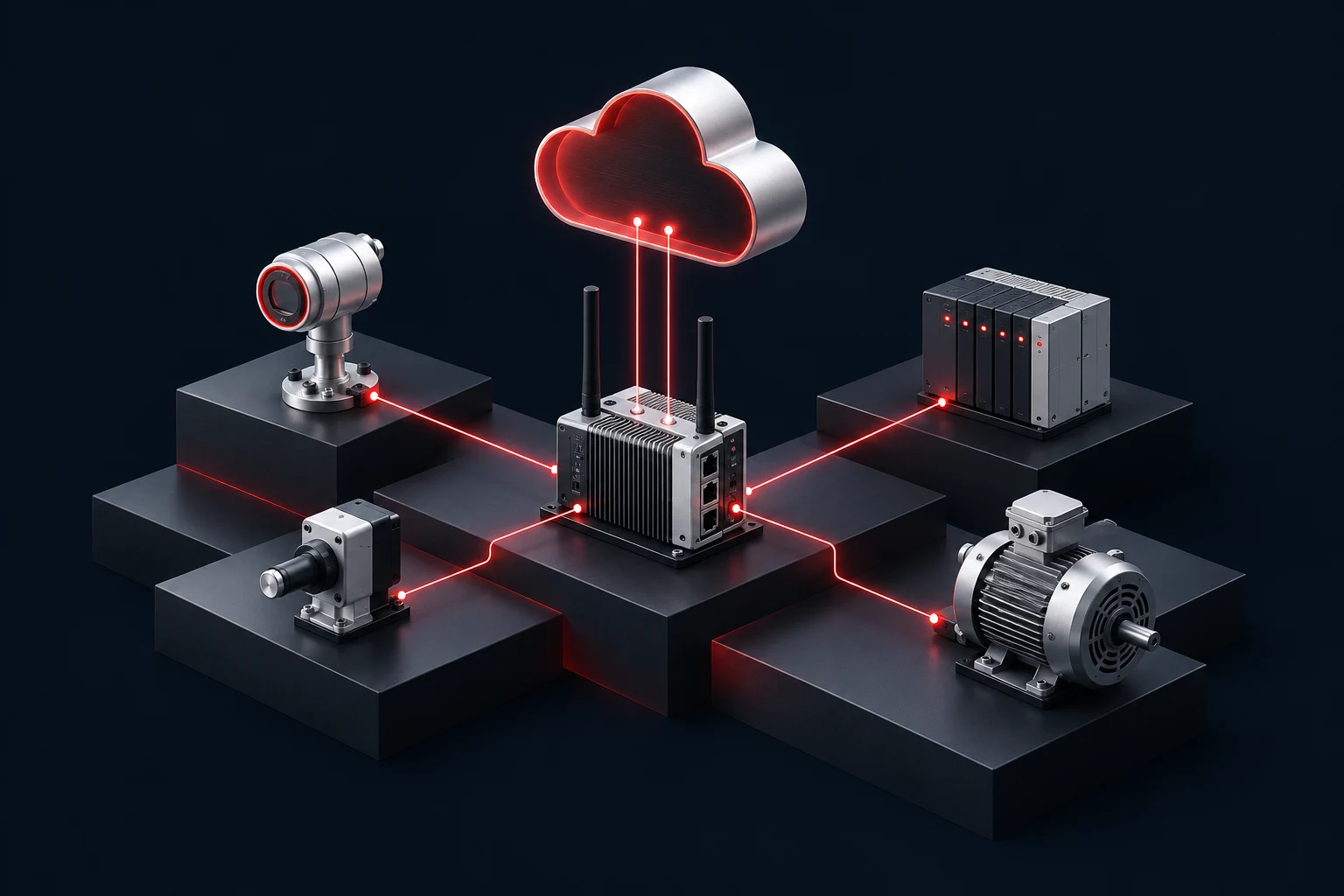
Connect devices, applications, and business workflows around a practical use case and a clear operating plan.
Give operators a clear view of device status, alerts, and controls through web and mobile applications designed around their daily tasks.
Connect equipment and sensor data to operational workflows for equipment monitoring, asset visibility, and maintenance planning.
Bring device registration, telemetry, user permissions, and reporting together in a platform built for your deployment needs.
Create interfaces and integrations for building systems, with defined control rules, overrides, and visibility into energy and equipment data.
Evaluate device capabilities, connectivity, data volumes, and operating constraints before committing to a technical approach.
Connect device platforms with cloud services and business applications, improving data exchange and extending your existing investment.
Keep priorities, progress, and responsibilities visible from your first planning session through handover.
Coordinate device integration, application development, and data responsibilities through one shared roadmap.
Account for intermittent connectivity, delayed messages, and changing data volumes when planning system behavior.
Bring operators and business stakeholders into design reviews so device data leads to useful actions.
Plan device identity, access controls, data protection, and update responsibilities alongside the architecture.
Tell us what you need to monitor, connect, or control. We’ll help define a practical starting point for your IoT system.
Shared milestones keep business stakeholders and engineering teams aligned throughout delivery.
Identify devices, users, data needs, installation environments, and the business decisions the system must support.
Define device connectivity, gateways, data handling, permissions, and cloud responsibilities around those requirements.
Review monitoring screens, alerts, and operator actions with the people who will use the system.
Connect devices, APIs, and applications in reviewable increments, with regular demonstrations and integration checks.
Validate agreed device configurations, connection loss, data quality, permissions, and expected workloads.
Start with a controlled rollout, monitor system behavior, and establish documentation and ongoing support responsibilities.
Choose the balance of collaboration, responsibility, and scope your project needs.
Bring application, integration, or cloud engineering skills into your existing team and delivery process.
For teams with an established technical roadmap.
Discuss this approachCoordinate architecture, application development, integrations, and testing around a shared product backlog.
For sustained development across multiple releases.
Discuss this approachAgree on devices, deliverables, dependencies, and acceptance criteria before starting implementation.
For a bounded pilot or clearly specified integration.
Discuss this approachSkills aligned to your product
Visible scope and milestones
Reviewable acceptance criteria
A practical support plan
Hire specialists across AI, web, mobile, cloud, data, and enterprise software.
See the application and platform work featured across AsonTech Solutions.
Answers about scope, technology, delivery, and ongoing support.
An IoT software project can include device integration, data processing, cloud services, dashboards, mobile apps, and business-system integrations. Discovery defines the hardware dependencies and the software responsibilities for your project.
We first review their interfaces, documentation, connectivity, and access requirements. Compatible devices can then be integrated into the agreed architecture, with any limitations identified before implementation.
Timing depends on device readiness, integration complexity, data requirements, and testing conditions. A focused pilot can establish feasibility before a wider rollout. We define milestones after assessing those dependencies.
The project plan considers device identity, authentication, permissions, encryption, and update procedures. Security testing and operational responsibilities are agreed for the specific deployment.
Where needed, we plan buffering, retries, synchronization, and clear device-status indicators. The approach depends on device capabilities, network conditions, and how current the data must be.
Yes, when suitable interfaces are available. Integrations can move relevant device events and measurements into reporting tools, maintenance systems, and other business applications.
Connected systems can support manufacturing, logistics, retail, buildings, and other environments. Each project needs an assessment of its devices, operating conditions, and applicable requirements.
Ongoing support can cover monitoring, application maintenance, integration changes, and planned improvements. Scope, response expectations, and ownership are defined in the support agreement.